
Gravity Conveyor: Introduction, Uses, Advantages, and Limitations
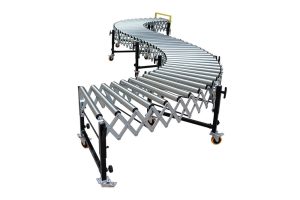
A gravity conveyor is one of the most widely used material handling solutions in warehouses, manufacturing facilities, and distribution centers. A gravity conveyor system operates using gravity or manual force to move cartons, boxes, and packages from one point to another without requiring motors or electricity. Typically, the system consists of rollers or skate wheels mounted on a sturdy frame that allows products to move smoothly across the conveyor line.
Due to its simple design and affordability, the gravity roller conveyor is commonly used in logistics, packaging, and assembly operations. Many businesses prefer gravity conveyors because they provide a cost-effective conveyor system that improves workflow efficiency while reducing operational costs.
Uses of Gravity Conveyor
The main gravity conveyor uses include short-distance transportation of goods in packing stations, sorting areas, loading docks, and assembly lines. A warehouse gravity conveyor is ideal for moving cartons and lightweight products between workstations. These conveyors are also widely used in gravity conveyor for warehouses where layouts frequently change, as they are easy to relocate and expand.
Advantages of Gravity Conveyor
One of the major advantages of gravity conveyor systems is their low cost since they do not require motors or electrical components. They also require minimal maintenance and consume no energy, making them environmentally friendly. Additionally, a material handling gravity conveyor is flexible and easy to install in various industrial setups.
Limitations of Gravity Conveyor
Despite their benefits, there are some gravity conveyor limitations. They provide limited control over product speed and are not suitable for long-distance transportation. An industrial gravity conveyor system may also require manual effort and can be difficult to integrate with advanced automation technologies.